Home / Articles
What to Expect 3 Months After a Hair Transplant
Home / Articles
What to Expect 3 Months After a Hair Transplant
But the journey of hair restoration doesn’t end once surgery is completed. In fact, the real transformation begins in the months that follow. One of the most important milestones in this journey is the three-month mark. Patients often find themselves asking:
The answer is both simple and complex: at three months, the visible results may be minimal, but beneath the surface, some of the most crucial biological processes are underway. Understanding this stage helps you stay patient and confident as you move toward your final results.
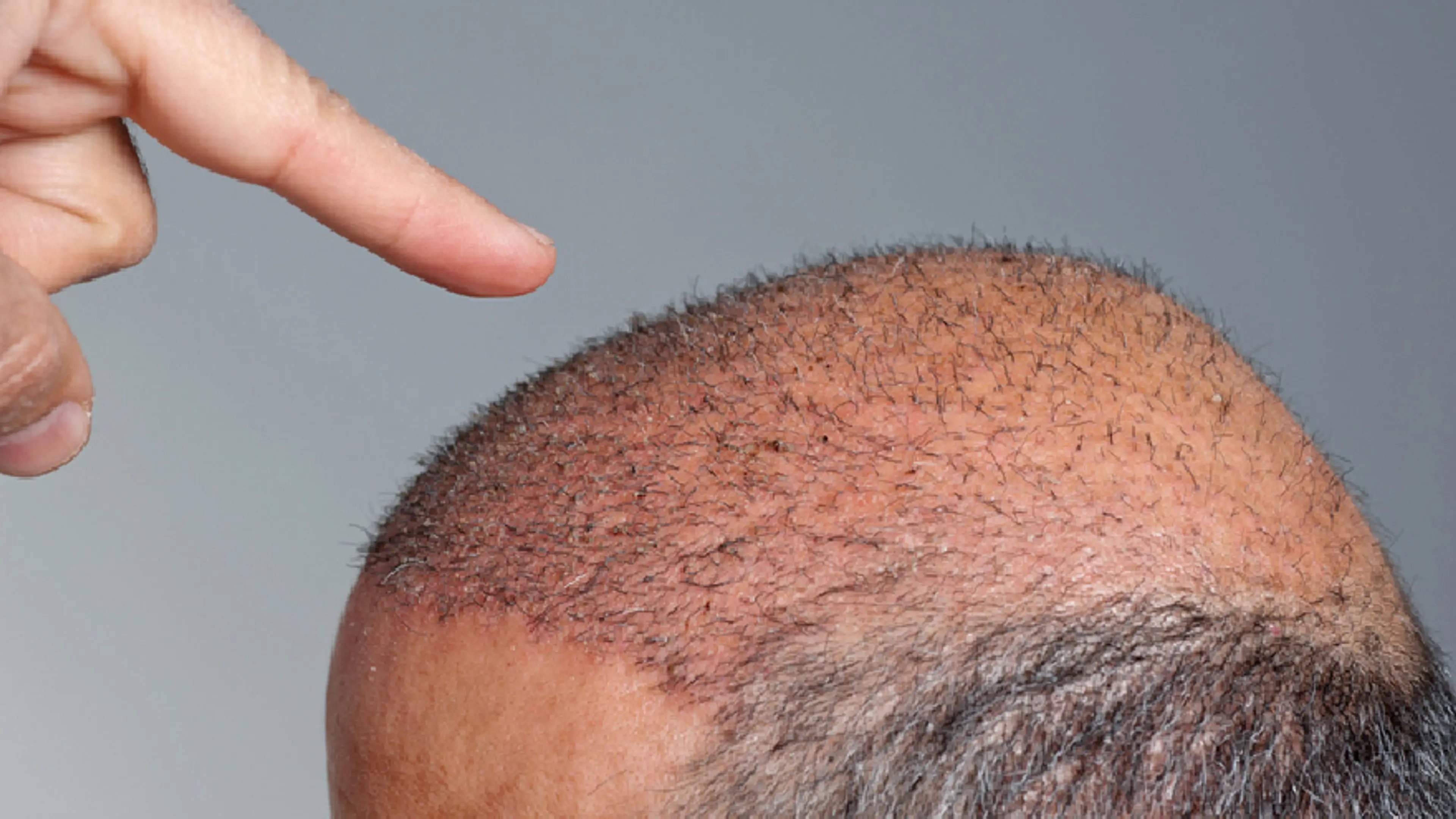
To be honest, the three-month period can feel discouraging. During the initial weeks after surgery, patients are often filled with excitement and hope. But by the third month, many look in the mirror and feel underwhelmed.
Why? Because this stage is dominated by what we call the “resting” or “dormant” phase of the hair cycle. Most transplanted hairs shed during the first two months, and at month three, new growth is still just beginning. The result can be patchy, thin, or barely visible regrowth.
This is not a setback — it’s a normal and essential step in the process. What many patients overlook is that the follicles are alive and well beneath the surface, quietly anchoring themselves into the scalp and preparing for stronger growth in the coming months.
Hair grows in repeating cycles, and transplanted hair follows the same natural rhythm:
Follicles actively produce hair.
Growth slows, preparing for rest.
Follicles pause and shed the old hair strand.
Following transplantation, most follicles temporarily enter the telogen phase — a protective response to surgical stress. This explains why patients often notice shedding in the first two months.
By the third month, the follicles are shifting back toward the anagen phase, but visible growth is still early. The hairs that do appear are usually thin, soft, and colorless at first, gradually maturing into thicker, pigmented strands over time.
Think of this process like planting seeds in spring. Even though the soil looks bare at first, roots are forming underground. With time, the sprouts appear — and eventually, a full bloom.
Although every patient’s journey is unique, here’s what most people experience three months after a transplant:
The recovery process can feel slightly different depending on the transplant method used:
Because this method uses tiny punch extractions, the donor area tends to heal faster and with minimal scarring. At three months, patients usually have less visible scarring and more comfort in resuming short hairstyles.
This technique leaves a linear scar at the donor site. At three months, some patients may still notice mild tightness in the donor area, though this typically eases with time.
Regardless of method, the growth pattern at three months is nearly identical: sparse, uneven regrowth with visible improvements beginning closer to the 6-month milestone.
By three months, most restrictions are lifted. Patients can typically exercise, style, and wash their hair normally. However, there are still important care steps:
Be gentle with new growth: Avoid aggressive brushing or scratching.
Use mild hair products: Sulfate-free shampoos and conditioners reduce irritation.
Protect against sun damage: Use hats or sunscreen on the scalp when outdoors.
Avoid chemical treatments: Postpone coloring, perming, or bleaching until at least 6 months.
Maintain a balanced diet: Nutrients like protein, iron, zinc, and biotin support strong follicle health.
PRP (Platelet-Rich Plasma): Helps stimulate follicles and boost growth.
Rejuran injections: Improves scalp health and promotes regeneration.
Low-level laser therapy: Encourages faster recovery and thicker growth.
These treatments are optional but can enhance recovery, especially for patients who want to maximize density and healing.
Patience is key. Here’s a realistic roadmap of what most patients experience after month three:
One of our patients, a 29-year-old teacher from Anyang, arrived for his three-month follow-up feeling disappointed. He described his new growth as “uneven and thin” and worried the procedure had failed.
We reassured him that his follicles were still in the early stages of growth. By six months, he noticed a visible improvement — his temples began to fill in, and he felt more comfortable styling his hair. By one year, the results were remarkable: a full, natural hairline that framed his face beautifully.
His story is not unique. Many patients feel discouraged at three months, only to be amazed at their results by the one-year mark.
In South Korea, aesthetic treatments are guided by the principle of harmony. Patients rarely ask for dramatic or exaggerated changes. Instead, they want natural, subtle improvements that enhance their appearance without drawing attention to the fact that they had surgery.
Don’t panic: Sparse growth, patchiness, and shedding are normal.
Be patient: The real transformation begins at month 6 and matures over 12–18 months.
Support your scalp: Proper care and optional therapies can enhance results.
Trust the process: A natural, full head of hair takes time to develop.
Your journey to confidence doesn’t end at three months. In many ways, it’s just beginning.